
Rigorous by design
We build on peer-reviewed science and keep clinical validation central to innovation.
We’re advancing research-led diagnostics for preterm birth risk—bringing thoughtful science and accessible technology closer to the people caring for mothers and babies.
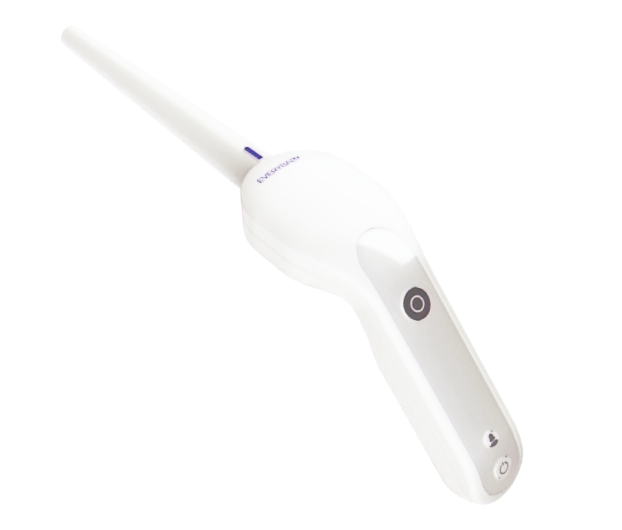
Pregnancy and birth should be met with care, confidence, and hope. EveryBaby is working to make maternal and neonatal health innovation more accessible, helping research move toward useful insight for clinicians and families around the world.
Discover our approach →Electrical impedance spectroscopy (EIS) measures how tissue responds to a small electrical signal. EveryBaby’s handheld research device explores how cervical tissue measurements during pregnancy may help researchers study preterm birth risk.
Maternal and newborn health deserves research that is rigorous, thoughtful, and built for the real world.
We build on peer-reviewed science and keep clinical validation central to innovation.
We believe useful health technologies should be designed with diverse care settings in mind.
Researchers, clinicians, health systems, and families all have a role in better beginnings.
EveryBaby’s work builds on clinical and engineering research into electrical impedance spectroscopy and pregnancy. We share the research so clinicians and partners can review the evidence for themselves.
A prospective cohort study explored cervical EIS for preterm-birth prediction during the second trimester. The authors concluded that larger confirmatory studies are needed to establish its potential clinical utility.
Research findings do not establish that a device is approved or suitable for individual diagnosis. EveryBaby’s technology is research-stage.
We welcome conversations with clinicians, researchers, healthcare organisations, and partners working to improve maternal and neonatal health.
EveryBaby is researching handheld electrical impedance spectroscopy (EIS) for studying preterm birth risk and advancing maternal and neonatal health.
No. This website describes research-stage technology, not a consumer product or a clinical service. For questions about your pregnancy, contact your midwife, doctor, or maternity care team.
EIS measures how biological tissue responds to a small electrical signal. Researchers are studying whether these measurements can contribute to understanding cervical changes during pregnancy.
We welcome enquiries from clinical, academic, and healthcare partners. Email [email protected] to start a conversation.